
At the core of effective kitchen design is the golden rule: functionality first. While aesthetics are undoubtedly important, prioritizing functionality ensures that your kitchen not only looks great but also works efficiently for your needs. This means considering factors such as layout, workflow, and accessibility to create a space that maximizes usability and minimizes frustration.
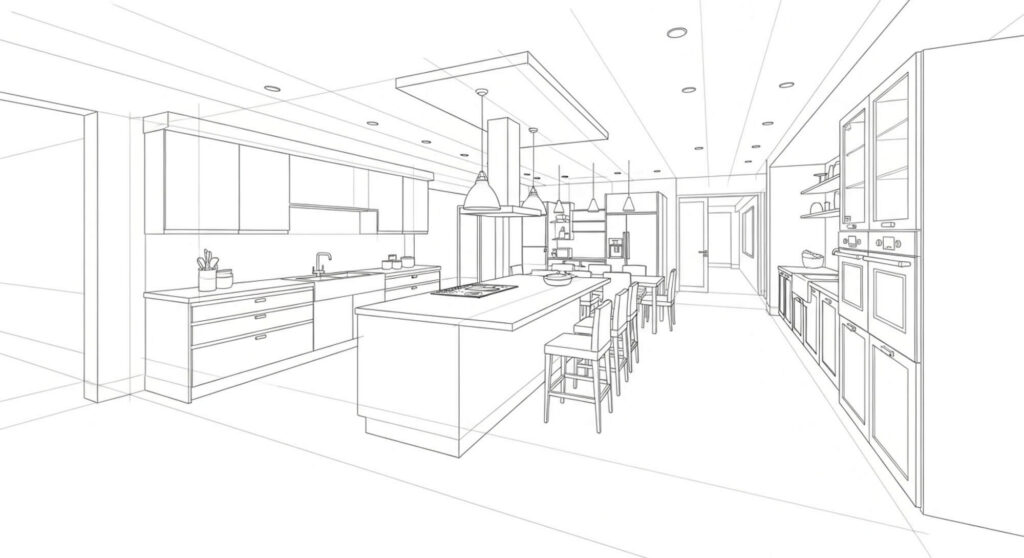
Functionality Over Aesthetics
While it’s tempting to focus solely on aesthetics when designing your kitchen, it’s essential to prioritize functionality above all else. This means considering how you use your kitchen on a daily basis and designing the space to facilitate efficient workflow and task completion. Whether it’s ensuring easy access to commonly used items or optimizing counter space for meal preparation, functionality should always take precedence over aesthetics.
Ensuring Efficient Workflow
Efficient workflow is key to a well-designed kitchen. This involves organizing the space in a way that minimizes unnecessary steps and maximizes efficiency during meal preparation and cleanup. One approach is to create distinct zones for different tasks, such as food storage, meal preparation, cooking, and cleanup, and arranging them in a logical sequence to streamline workflow. By prioritizing functionality and efficiency, you can create a kitchen that works seamlessly for your needs.
Balancing Form and Function
While functionality is paramount, that doesn’t mean you have to sacrifice style. Balancing form and function allows you to create a kitchen that not only works well but also looks great. This involves harmonizing design elements such as cabinetry, countertops, and appliances to create a cohesive and visually appealing space.
Harmonizing Design Elements
Harmonizing design elements is essential for creating a cohesive and visually appealing kitchen. This involves selecting materials, finishes, and colors that complement each other and create a unified look throughout the space. Whether you prefer a modern, minimalist aesthetic or a more traditional, classic look, harmonizing design elements ensures that every aspect of your kitchen works together seamlessly.
Maximizing Space Utilization
In addition to harmonizing design elements, maximizing space utilization is key to effective kitchen design. This means making the most of every square inch of available space, whether it’s through clever storage solutions, efficient layout design, or strategic placement of appliances and fixtures. By optimizing space utilization, you can create a kitchen that feels spacious, organized, and highly functional.
Creating a Layout That Works
Central to the golden rule of kitchen design is creating a layout that works for your needs. This involves carefully planning the placement of key elements such as cabinets, countertops, appliances, and fixtures to maximize usability and efficiency. Whether you prefer an open-concept layout or a more traditional design, creating a layout that works for your lifestyle is essential for a successful kitchen remodel.
The Kitchen Triangle: Key to Efficiency
One concept that plays a central role in kitchen layout design is the kitchen triangle. The kitchen triangle refers to the relationship between the three primary work areas in the kitchen: the sink, the stove, and the refrigerator. Optimizing the placement of these elements to form a triangle minimizes the distance traveled between them during meal preparation, maximizing efficiency and workflow.
What is the Kitchen Triangle?
The kitchen triangle is a fundamental principle of kitchen design that dictates the optimal placement of the sink, stove, and refrigerator in relation to each other. By positioning these three key elements in a triangular formation, you can minimize the distance traveled between them, making meal preparation more efficient and enjoyable.
Optimizing Triangle Placement
When planning your kitchen layout, it’s essential to consider the placement of the kitchen triangle. Ideally, the distance between the sink, stove, and refrigerator should be no less than four feet and no more than nine feet, with each leg of the triangle measuring between four and nine feet in length. By optimizing triangle placement, you can create a kitchen that maximizes efficiency and workflow, making meal preparation a breeze.
Choosing the Right Materials
In addition to layout and functionality, the materials you choose for your kitchen play a significant role in its overall design and durability. When selecting materials, it’s essential to consider factors such as durability, maintenance requirements, and aesthetic appeal to ensure a successful kitchen remodel.
Durability and Maintenance: Essential Considerations
Durability and maintenance are essential considerations when choosing materials for your kitchen. Since the kitchen is a high-traffic area prone to spills, stains, and heavy use, it’s crucial to select materials that can withstand daily wear and tear while maintaining their appearance over time. Whether you opt for natural stone countertops, hardwood flooring, or stainless steel appliances, choosing durable materials ensures that your kitchen will stand the test of time.
Incorporating Personal Style
While functionality and durability are important, don’t forget to infuse your kitchen with personal style. Whether you prefer a sleek, modern look or a cozy, rustic vibe, incorporating elements that reflect your personality and taste is essential for creating a kitchen that feels like home.
Color, Texture, and Style: Infusing Personality
Color, texture, and style are powerful tools for infusing personality into your kitchen design. Whether you choose bold, vibrant colors or subtle, neutral tones, selecting a color palette that speaks to you can set the tone for the entire space. Similarly, incorporating texture through materials such as wood, stone, or tile adds visual interest and depth to your kitchen design. By combining color, texture, and style thoughtfully and cohesively, you can create a kitchen that reflects your unique personality and taste.
Conclusion: The Golden Rule Revisited
In conclusion, the golden rule for kitchen design emphasizes functionality first, ensuring that your kitchen not only looks great but also works efficiently for your needs. By prioritizing functionality, balancing form and function, and creating a layout that maximizes space utilization, you can create a kitchen that is both highly functional and visually appealing. Whether you’re in Dallas, Plano, Richardson, or McKinney, TX, Rooster General Contractors is here to help you every step of the way, from initial design consultation to final installation. Trust us to make your kitchen remodel a seamless and enjoyable experience, ensuring a space that’s not only beautiful but also functional and livable for years to come.